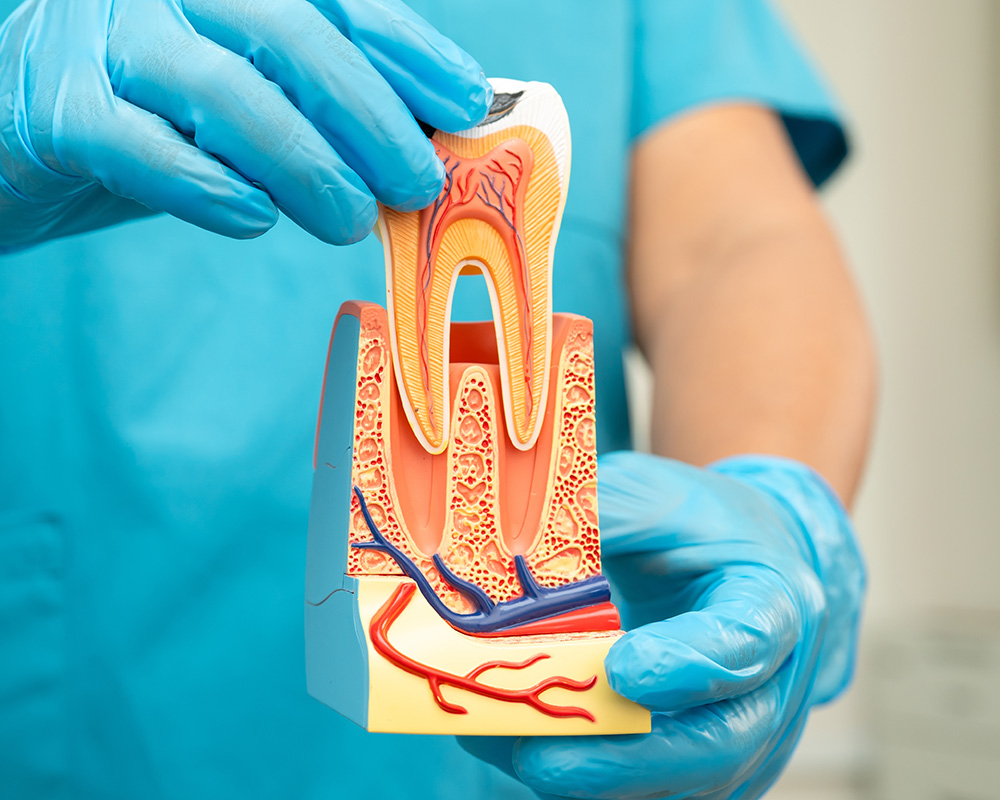
At Parkfield Dental Practice, a trusted dental practice in Didsbury, patients are encouraged to seek advice as soon as symptoms appear.
One of the most common indicators is pain that does not resolve. This discomfort may come and go, or it may remain constant throughout the day. It can intensify when chewing or applying pressure. Pain that continues without improvement may suggest that the pulp inside the tooth is inflamed or infected.
Sensitivity to hot or cold is not unusual, but when it lingers after the source is removed, it may indicate a deeper concern. If discomfort remains long after drinking hot tea or cold water, it can point to nerve involvement within the tooth.
Inflammation around a tooth is another sign that should not be ignored. The gums may appear swollen or feel tender to the touch. In some cases, a small bump can develop on the gum, which may release fluid. This can indicate an underlying infection that requires attention.
A tooth that appears darker than surrounding teeth may have experienced internal damage. This discolouration often occurs when the inner pulp tissue begins to deteriorate. While it may not always cause pain, it is still a sign that should be assessed by a dental professional.
Delaying treatment can allow infection to progress, potentially affecting surrounding tissues. Early intervention helps preserve the natural tooth and reduces the likelihood of further complications.
You may need to visit a dentist if you notice:
Root canal treatment is designed to remove infected tissue from within the tooth, clean the inner canals, and seal the space to prevent reinfection. This approach allows the natural tooth to remain in place while addressing the source of discomfort.
At Parkfield Dental Practice, patients receive clear explanations at every stage of care. As a well-established dental practice in Didsbury, the team focuses on early diagnosis and tailored treatment planning to support long-term oral health.
Seeking professional advice at the right time can make a significant difference. If symptoms are addressed early, treatment is often more straightforward, and recovery can be smoother.
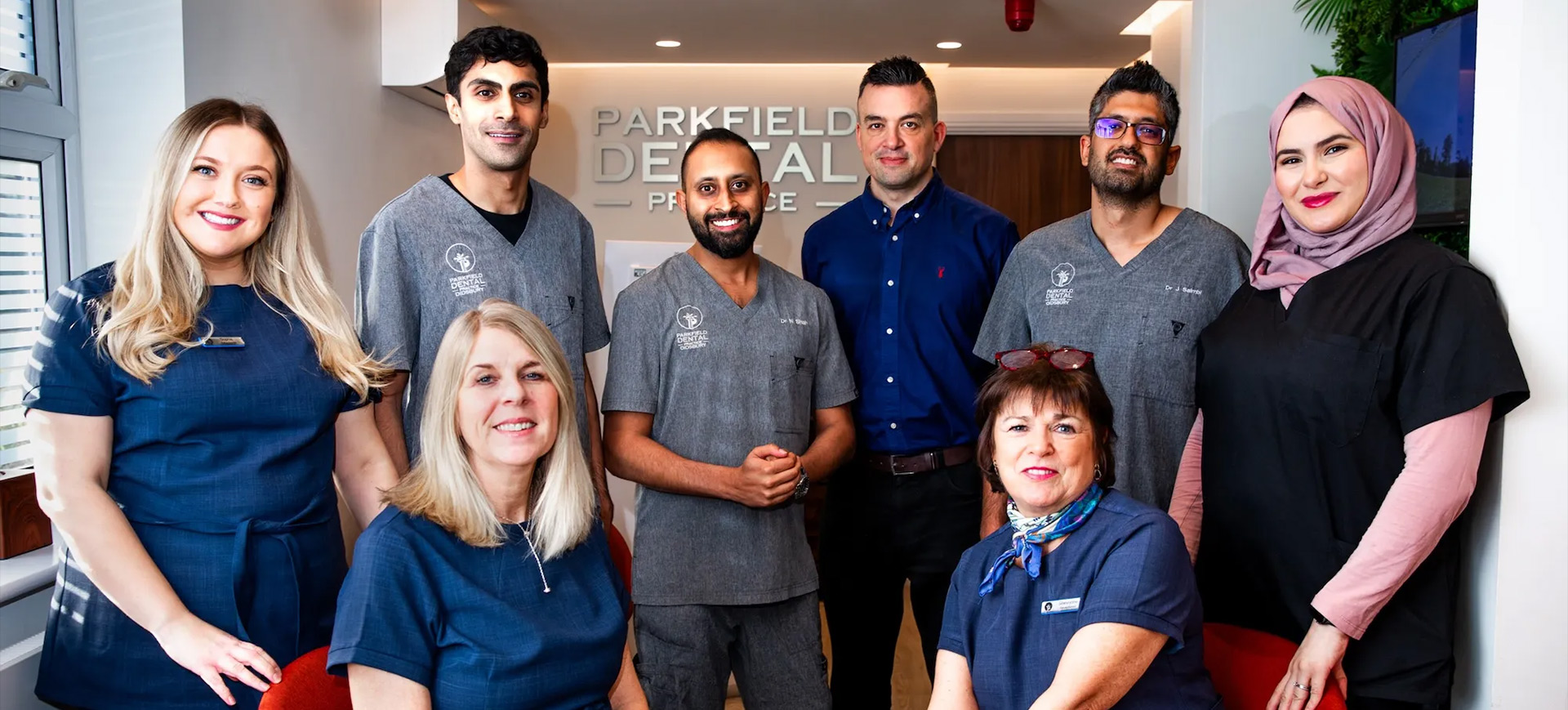
 Healthy, happy smiles start here.
Fill in the form and our friendly team will be in touch with you momentarily
I had an excellent experience with my dentist Dr Shah throughout my clear aligner journey, from the very first consultation, Dr Shah took the time to explain the process clearly, answered all of my qu... Read More
I had an absolutely wonderful experience with Dr. Valeria! She provided a highly professional consultation, explaining everything clearly and answering all of my questions. The dental cleaning she per... Read More
Really recommend this dental practice. I always feel really well taken care of by every member of staff whether its the reception team or practitioners. My dentist Dr Shah always takes the time to rea... Read More
10/10 experience all staff so kind and willing to answer all questions. The aligners have been the easiest and smoothest process. I felt very supported by having regular check ups and no long wait tim... Read More
I would recommend this dentist to anyone , I’ve been coming for a few years now for both general treatment and Invisalign and can say what a comfortable, positive environment that has been created b... Read More